
Pani amala is a tuber-bearing fern traditionally eaten in Nepal. Learn its scientific name, identification features, habitat, nutrition, traditional uses and sustainable harvesting practices.
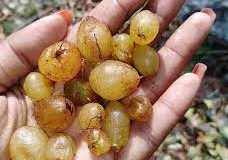
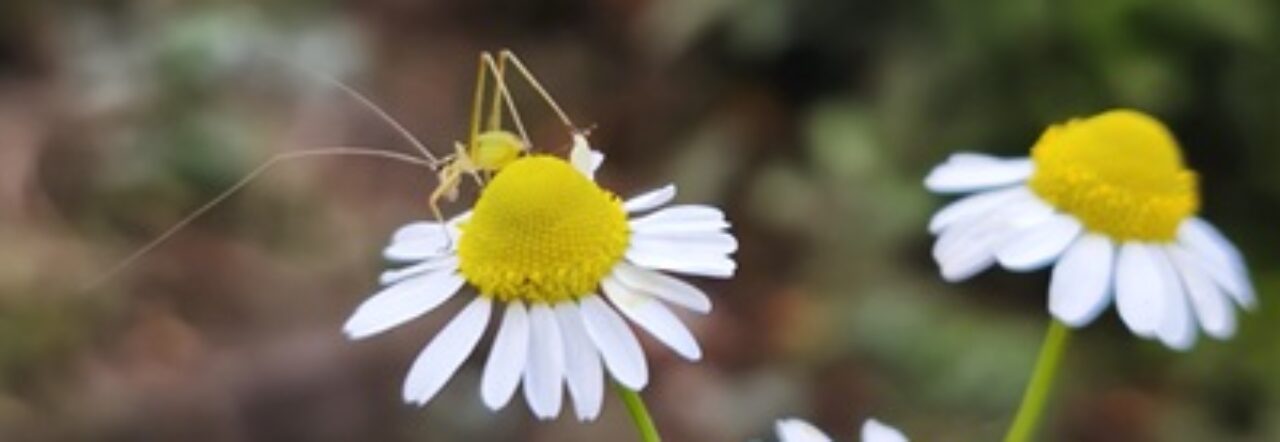
Pani amala is a tuber-bearing fern traditionally eaten in Nepal. Learn its scientific name, identification features, habitat, nutrition, traditional uses and sustainable harvesting practices.
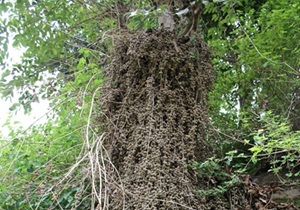
Khaniyo (also known called as khanyu or khanaayo) is the local Nepali name for Ficus semicordata, a medium-sized tree commonly known as Drooping Fig. This edible fig tree belongs to the Moraceae family (Mulberry family) and is native to the Himalayas and South Asia.

“We are all broken, that’s how the light gets in.” — Ernest Hemingway
” When the well is dry, we know the worth of water ” – Benjamin FranklinDrop of Water
"To live is the rarest thing in the world. Most people exist, that is all.” - Oscar wilde

Niuro represents Nepal's rich wild edible biodiversity and traditional food culture. As ongoing research moves toward commercial production success, this nutritional wonder could become an important crop for Nepal.
"Each time we think we can't handle the difficulties of life throws at us, we find a bit more strength within ourselves, proving that we are capable of overcoming more than we imagine"
Honey Bee carrying pollen from one plant to another
Discover Katus (Castanopsis hystrix), Nepal’s indigenous chestnut: ecology, traditional uses, nutrition, and how to identify it in the wild. Learn more
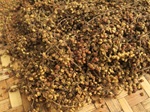
Bhakimlo is more than just a wild fruit of hills. It is a centuries-old medicinal powerhouse that continues to support indigenous communities.