

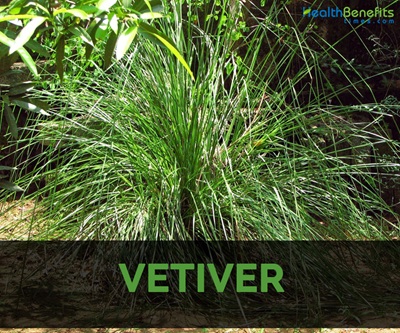
Vetiver, locally known as kush or khus, is a fragrant perennial grass (Chrysopogon zizanioides L.). It belongs to the grass family Poaceae and is valued for its aromatic roots, soil-conserving ability, traditional medicinal uses, and cultural importance in South Asia. Vetiver is also known by the Sanskrit name Ushira and has been used in Ayurveda for centuries.
Kush plant has high religious value in Hindu culture in Nepal. It is a ‘must required’ plant for every religious function of hindu culture in Nepal. During month of September, Father’s day is celebrated in Nepal, which is also known as ‘Kushe Aunsi’ which is the day of Vetiver (kush) harvesting and use it for whole year.
Botanical Features
Vetiver is a dense grass that usually grows in large clumps. Its narrow, stiff leaves arise from the base, while the flowering stalk may grow much taller than the leaves. The plant produces a deep, dense network of fibrous roots that can penetrate far into the soil. These roots are highly aromatic and contain the valuable essential oil used in perfumes, cosmetics, soaps, and traditional preparations. Its strong root system makes it useful for stabilizing field boundaries, riverbanks, terraces, and slopes. It reduces runoff and helps control soil erosion, which is particularly valuable in the hilly landscapes of Nepal.
Uses
The dried roots of vetiver are commonly used to prepare fragrant screens, mats, fans, baskets, and small household products. When moistened, these roots release a pleasant cooling aroma and may be placed near windows or in water vessels. Vetiver root extract is also used to flavor beverages.
Vetiver oil is an important ingredient in perfumery because of its deep, earthy fragrance and ability to act as a fixative. It is also used in cosmetics, soaps, aromatherapy products, and herbal formulations. The leaves can be used for thatching, ropes, handicrafts, and limited livestock fodder.