24 Local wild fruits of Nepal: Identification & conservation

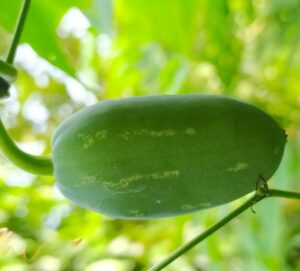
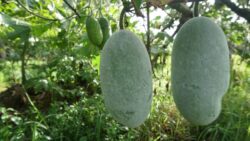
Nepal is rich in plant diversity. There are lots of wild and indigenous fruits found in Nepal.
A personal blog of a plant lover

Nepal is rich in plant diversity. There are lots of wild and indigenous fruits found in Nepal.

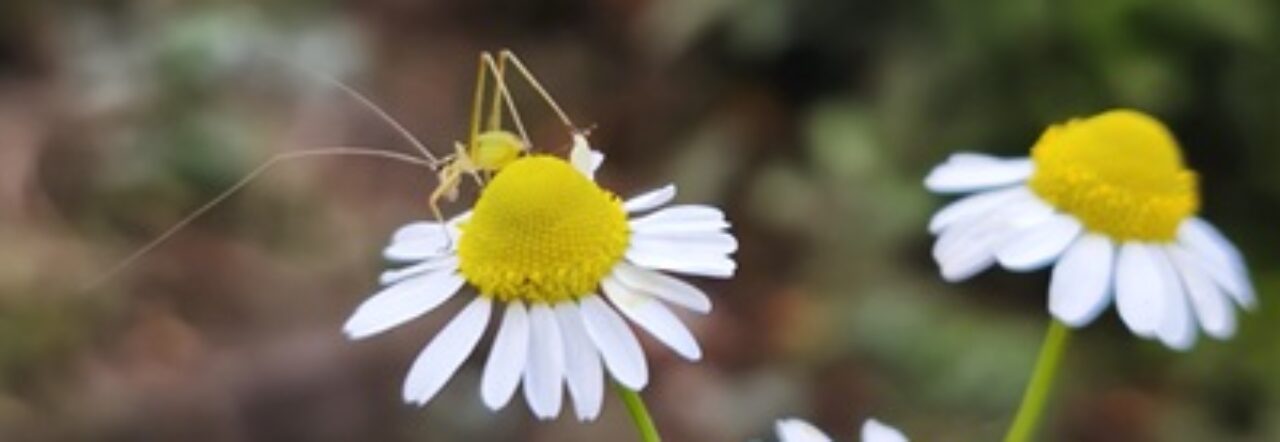
A quiet bee resting on a flower might be more than just a peaceful moment—it could be exhausted. Explore why pollinators get tired and how you can make a small but meaningful difference in their survival.

During summer times forests echo with a loud buzzing sound, which you are witnessing the performance of nature’s forest rockstar—the cicada. This fascinating insect is known for its powerful sound, long underground life, and sudden mass emergence. 🐞 What Are…

“A flower cannot blossom without sunshine, and a man cannot live without love.” – Max Muller

Here are some common popular fruits of Nepal along with their common, scientific and local Nepali names. 1. Apple Common Name: Apple Scientific Name: Malus domestica Family: Rosaceae Local/Nepali Name: Syau / स्याउ 2. Apricot Common Name: Apricot Scientific Name:…

In ancient times, zinnia was considered as ugly flower and Spanish named it as “mal de ojos” which means sickness of the eye. I don’t know why they named it like that, because zinnias are the most elegant flower I…

Here is the list of most common flowers that are found in Nepal. 1. Rose Scientific Name: Rosa spp. Common Name: Rose Nepali Name: Gulab (गुलाब) Family: Rosaceae 2. Marigold Scientific Name: Tagetes erecta Common Name: African Marigold Nepali Name: Sayapatri (सयपत्री)…

The world consisted of predators and prey. You were either hunting or running – Charlene Weir

” When the well is dry, we know the worth of water ” – Benjamin Franklin


Ants eating Mealy Bugs on Chilli plant

“How brave a ladybug must be! Each drop of rain is big as she. Can you imagine what you’d do, if raindrops fell as big as you?” – Aileen Fisher

The Tropical Tiger Moth, scientifically known as Asota caricae, is a stunning species of moth found in the lush tropical regions of Southeast Asia. Asota caricae boasts vibrant wings adorned with striking patterns of orange, black, and white. Its furry…

Common Name: Crown Daisy, Garland Chrysanthemum Scientific Name: Glebionis coronaria , (Chrysanthemum coronarium) Family: Asteraceae Local/Nepali Name: Godawori, gurdhauli, Gulchini It is a versatile plant, renowned for both its culinary uses and ornamental appeal. Native to the Mediterranean region, Crown…

Life cycle of lemon butterfly.

“Tihar” is second popular festival in Nepal and Nepalese societies around the world after Dashain. Tihar festival lasts for five days. Although, it is exactly at the same date as Dewali (Deepawali in Nepal) in India but it is completely…

Common white egret or heron are the swamp birds found in Nepal. They spend whole day in swamp fields and rivers to catch fish. They are full of patience and can wait in a single spot for hours to capture…

This time around in Nepal, the festival season just getting started. There are some popular flowers which are open during this festival season (managed by growers or naturally). The festival vibes come around when we see lots of bees and…

Datura stramonium commonly known as Dhaturo / Dhatura ” धतुरो ” in Nepal and India. It is scared flower for Hindu. It is known as flower of Mahadeva (Lord Shiva). Datura exceptionally hazardous as a drug and it directly causes the…

Dhobini


Here are some attractive high altitude flowering weeds of Nepal (1900masl).

Stunning evening time view of nature

Details of some popular wild and non-domesticated vegetables of Nepal.

Sunflower is a beautiful yellow flower and its plant produce only single flower per plant.

Baya weaver is a small bird just like the house sparrow but with a yellow/orange tinge on the head. These are popular birds in Nepal due to their amazing nest-building skills. Locally they are called Tope Chara (तोप चरा ).…


Bottle gourd is a cucurbitaceous summer seasonal vegetable. This post gives the pictorial flowering and fruiting cycle of the Bottle gourd. Male flower of bottle gourd (slender pedicel/stem) Female flower with ovary (swollen pedicel/stem) Bud stage of flower/fruit Flower opening…


Herons are examples of patience from ancient times. I have mentioned herons and their patience level in a previous post. But there is a larger type of heron or egret bird which you can use as an example of impatience.…

Look how tiny it is.

How much time can you stand in a place without moving and without saying a word? It might depend on your need. There is a bird called ” Heron ” commonly and Bakula/Bakullo (बकुल्ला/बकुल्लो) locally which can stand for hours…

Some garden flowers for friday.

Another week of dawn and dusk photography.

Dusk and Dawn photos are paintings created by the nature. The color and intensity of light during dusk make everything beautiful around it. Here are some dusk clicks which are simple and calming. Happy New Year 2023 🙂

Macro photography

Look closer and focus on tiny details of the macro world around you.

Less is more :-)

” May your choices reflect your hopes, not your fears “

Macro photography

Larvae are small creatures which can damage crops and plants. Some of them are ugly while some are beautiful. The adult of most of the larvae is either butterfly or moth.

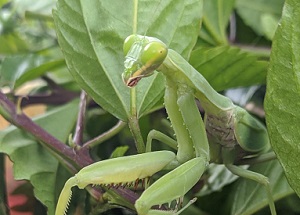
Mantid (Mantis religiosa) is one of the deadly predators which kills and feeds on its prey. It is often called praying mantid because it gives a prayer-like pose by folding its fore legs together while sitting

Its full moon day (Purnima; पुर्णिमा). Here are some evening captures of the full moon by using a Sony point-and-shoot camera.


Ivy gourd, also known locally as Kundru / Kundri / Tindora is a perennial cucurbitaceous vine crop with small fruit used as raw fruit or cooked as a green vegetable.

Litchi is one of the popular sub tropical fruit which has its own distinct taste and flavour. It is mostly grown in warm humid tropical and sub-tropical areas.

Study nature, love nature, stay close to nature, it will never fail you.

Chilli also known as hot pepper (Capsicum frutescens) and Khorsani/Khursani (खुर्सानी) in Nepal, is a perennial plant that is grown in almost all parts of the world. It is mostly used to add hot and spicy flavor/taste to food. In South Asian countries, it is essential for everyday meals (breakfast, lunch, dinner) and eaten raw or cooked with other vegetables. It starts flowering 3/4 months after planting and can give production up to 2/3 years. Here is the sequential cycle of flowering and fruiting of chilli.

The Spring season is the season of new growth and flowering. We can observe the flowering of various fruits, vegetables and flowers during the spring season

At some point in life, we all wished to fly free like a bird, up high in the sky

Macro insect photography
Asian Openbill Stork
” Growing old is mandatory, growing up is optional ” (Chili Davis)

Darkness has its own beauty that you can only see with your inner light.

Inspirational quotes

Alone Parrot Waiting For its Gang Parrot is surely the number one pet bird around the world, but this here is a wild parrot searching for food in the city area of Nepal. Parrot is a cute and adorable creature…

Every year, during start of monsoon as the dark clouds roll across the skies of Nepal and the earth drenches in fresh rain, a unique natural transformation takes place. The peaceful, terraced hillsides areas turn into lively fields paddy along…

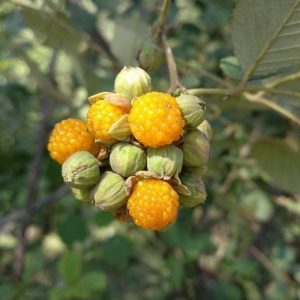
Ainselu (*Rubus ellipticus*), the golden Himalayan raspberry of Nepal, is a wild fruit valued for its botanical uniqueness, medicinal uses, and cultural importance. Learn about its distribution, local names, and traditional significance across the Himalayas.
“Discipline is choosing what you want most over what you want now“
Nephrolepis tuberosa, locally called pani amala in Nepal, is a tuber-bearing fern known for its edible underground parts and its importance as a wild forest resource. It is mostly gathered from natural habitats and has long been recognized in local foraging and traditional knowledge.

Khaniyo (also known called as khanyu or khanaayo) is the local Nepali name for Ficus semicordata, a medium-sized tree commonly known as Drooping Fig. This edible fig tree belongs to the Moraceae family (Mulberry family) and is native to the Himalayas and South Asia.

“We are all broken, that’s how the light gets in.” — Ernest Hemingway
” When the well is dry, we know the worth of water ” – Benjamin Franklin Drop of Water
“To live is the rarest thing in the world. Most people exist, that is all.” – Oscar wilde

Niuro represents Nepal's rich wild edible biodiversity and traditional food culture. As ongoing research moves toward commercial production success, this nutritional wonder could become an important crop for Nepal.
“Each time we think we can’t handle the difficulties of life throws at us, we find a bit more strength within ourselves, proving that we are capable of overcoming more than we imagine”

In Nepal, the plant is widely called as Chutro, Kirmada in far west parts, Chautari in western parts and Daruharidra is also commonly used name in medicinal and Ayurvedic contexts.

Katus is an evergreen tree that can grow up to 30 m tall. It belongs to the Fagaceae family, which includes oaks and chestnuts.

Bhakimlo is more than just a wild fruit of hills. It is a centuries-old medicinal powerhouse that continues to support indigenous communities.

It is a medicinal shrub gaining scientific recognition for its traditional antidiabetic properties. It has other names across Asian continent

Amaro is a versatile, culturally significant tree that nourishes both body and community. Its sour fruits, medicinal properties, and ecological role make it a true gem of Nepal’s hills and Asia’s forests.

El Niño happens when the trade winds (winds that normally blow from east to west along the equator) become weak or even reverse its direction.
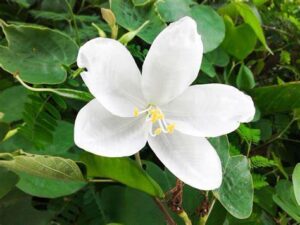
Do you know about a shrub that doesn’t just provide shade, but also serves up dinner and fills your medicine cabinet? That is Crateva unilocularis, a remarkable deciduous plant known casually as the Spider Tree or, quite literally in Chinese,…

The gentle rustle of plant leaves in kitchen garden, rhythmic movement of butterfly and other insects, the vast silence of nature, reducing stress hormones like cortisol while boosting serotonin and endorphins through fresh air, sunlight, and physical movement. Studies from ecopsychology highlight how simple walks in green spaces lower anxiety, improve mood, and enhance mindfulness, allowing the mind to unwind and reconnect with the earth's unhurried rhythm.