
Introduction
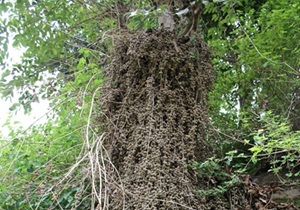
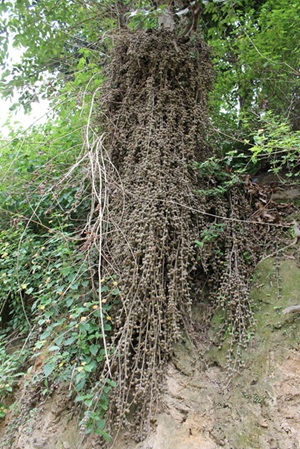
Khaniyo (also known called as khanyu or khanaayo) is the local Nepali name for Ficus semicordata, a medium-sized tree commonly known as Drooping Fig. This edible fig tree belongs to the Moraceae family (Mulberry family) and is native to the Himalayas and South Asia. The tree is valued both as fodder for livestock and for its edible fruits, making it important in rural farming communities.
Other common names: Drooping Fig (English), Dumur (Bangla), Khunnia (Hindi), Khaniyo (Nepali).
Uses
The fruits of Khaniyo are edible and consumed by local communities
- Used as food throughout South Asia
- Fruits contain therapeutic potential
- The tree is an important fodder tree for livestock, providing leaves for animals
Medicinal and Health Benefits
Khaniyo is a well-known ethnomedicinal plant used extensively in traditional medicine:
- The fruit and roots have the most therapeutic potential, while stem bark, leaves, and latex are also useful.
- Unripe fruits treat colic pain, urogenital problems, abdominal troubles, visceral obstruction, leprosy, jaundice, diabetes, and hepatitis.
- Stem bark manages ulcers, pregnancy support, wounds, dysentery, leprosy, liver complications, and gastric and bladder issues.
- Leaves are used for jaundice and various liver ailments (locally called Bhumi udumbara in North India).
- Roots are like fruits and used for multiple therapeutic purposes.
- Latex is used for wounds, scabies, leprosy, and skin diseases.
- Figs help with stomach disorders, indigestion, and skin diseases.
Other importance
- Fodder value: Leaves used as fodder for livestock, making it valuable for farmers
- Food source: Edible fruits provide nutrition for rural communities
- Economic value: Fruit and medicinal parts have therapeutic and commercial potential
- Cultural significance: Integrated into traditional medicine systems across South Asia
The tree’s use as food, fodder and medicine makes it a sustainable resource for rural communities in Nepal’s hills and mountains, supporting both nutrition and health care needs.