
Garden of Larvae: Larvae: Some beautiful, Some ugly, creepy things eating your plants - Think Like A Plant
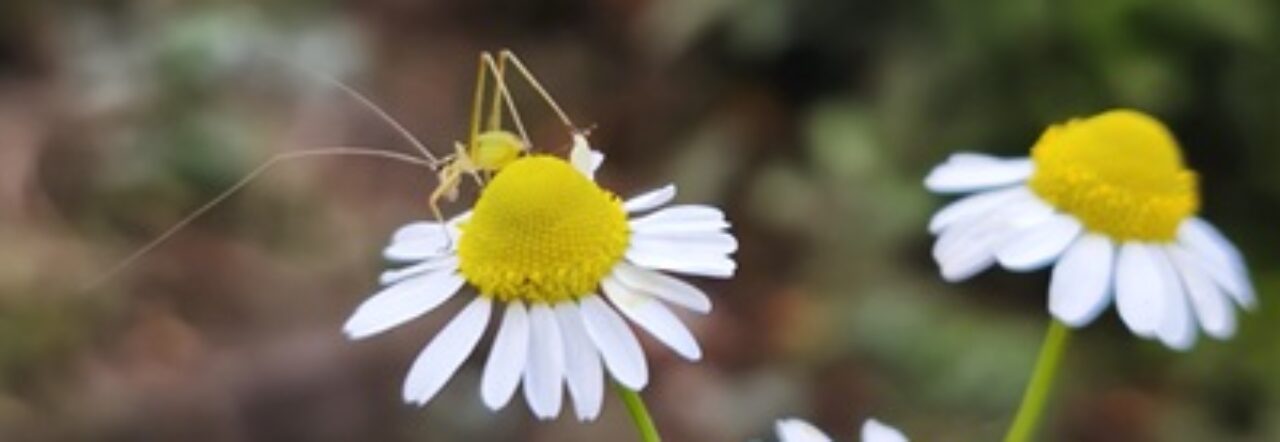
Garden of Larvae: Larvae: Some beautiful, Some ugly, creepy things eating your plants - Think Like A Plant
Tiny grasshopper or katydid Mindfulness: A small creature resting on you can simply remind you to notice the little things around you. More insects: Macro Monday: Look closely around you - Think Like A Plant

Vinca Periwinkle Flower “All growth starts at the end of your comfort zone.” – Tony Robbins
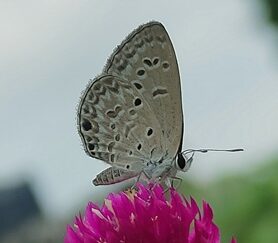
“If you smile when you see a butterfly, you have happiness in your soul.” – Diana Cooper
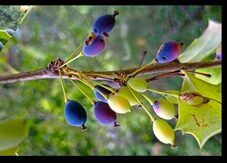
Berberis (Chutro): Information about its uses and benefits
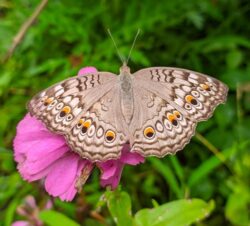
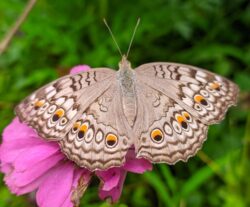
Junonia atlites butterfly spreading its wings
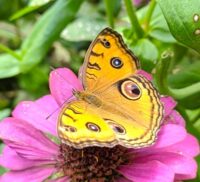
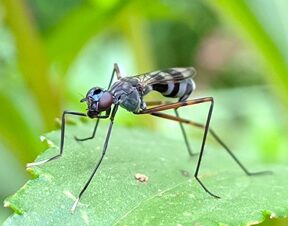
Here are some amazing but rare type of insects around us. The shots are taken on my Redmi Note 8. Stilt leg fly Stilt leg fly is a rare kind of insect and looks different from regular kind of fly. It is completly harmless to human. This insect frequently lifts its front legs and wave …
Continue reading Photo Story: Four for the Friday
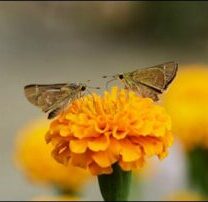
Shot on my Nikon 5300 “True friendship comes when the silence between two people is comfortable.” – David Tyson

Praying mantid resting on a pole. One of the deadliest predator on the planet. Evening Bird gossip Young growing flower bud Stink Bug Chilling out Crow love poles A free roaming bird Three birds, Free birds Wild Parrot Gang