
Introduction
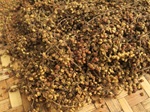
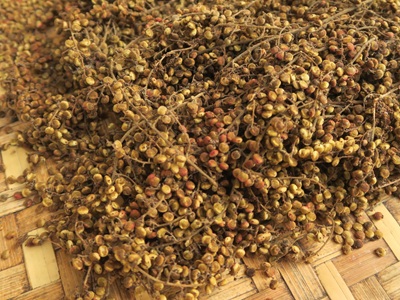
Bhakimlo (Rhus chinensis, Rhus javanica) is a highly cherished wild fruit plant native to the Himalayan region of Nepal. It is called as “Bhakimlo” “Bhakkiamilo” (भकिम्लो) in local Nepali language and is famous for its sour, edible fruits that have been treasured for centuries in traditional medicine. This wild fruit has been used for thousands of years in Asian folk medicine, treating ailments from diarrhea to diabetes to supporting blood sugar management. Bhakimlo plays a crucial ecological role in Himalayan forests, considered as true natural treasure. Bhakimlo also known as Rhus javanica or Chinese sumac) is a highly valued wild fruit native to the Himalayan region of Nepal. Bhakimlo is more than just a wild sour fruit, it is a nutritional and medicinal powerhouse of the hills. In this guide, we explore the plant description, traditional uses, scientifically supported health benefits, and ecological importance of this underutilized Himalayan treasure.
Plant Description
Bhakimlo is a deciduous small tree or large shrub that can grow up to 7–12 meters tall. It features aromatic, imparipinnate leaves with 7–13 oblong or ovate leaflets. The plant produces small white to yellowish-green flowers in large panicles, typically blooming from August to September.It thrives in temperate to subtropical climates at elevations of 900–2,500 meters on dry forest slopes. Bhakimlo is widely distributed across the East and West Himalayas, including Nepal, Bhutan, India (Sikkim, Darjeeling, Kalimpong), China, Japan, and parts of Southeast Asia.The ripe fruits are small, berry-like, and extremely sour. Locally, people often prepare a concentrated extract known as “Bhakimlo-ko-chuk,” which is stored and used as a souring agent or medicine.
Nutritional Profile & Traditional Uses
Bhakimlo fruits are rich in tannins, phenolics, flavonoids, vitamin C, dietary fiber, and various bioactive compounds. Traditionally:
- The sour ripe fruits are eaten fresh with salt and chili or made into pickles.
- The concentrated fruit extract (Bhakimlo-ko-chuk) is used for gastric disorders.
- Fruits and galls serve as a source of natural tannins and dyes (blue from galls, brown from leaves).
- Different parts of the plant (fruit, bark, seeds, galls) have been used in folk medicine across Nepal and the Himalayas.
Health Benefits of Bhakimlo Fruit
- Supports Digestive Health and Relieves Diarrhea: Traditional healers in Nepal have long used Bhakimlo fruits for diarrhea, dysentery, and colic pain. Modern studies confirm its strong antidiarrheal and antibacterial effects, particularly against E. coli and Shigella dysenteriae. Its astringent and styptic properties help control internal bleeding and soothe the gut.
- Powerful Antioxidant Properties: The fruits are packed with phenolic compounds and flavonoids that show significant free-radical scavenging activity. This helps combat oxidative stress, which is linked to aging and chronic diseases.
- Potential Antidiabetic Effects: Bhakimlo is commonly included in traditional polyherbal formulations for diabetes. Research indicates that fruit extracts can inhibit enzymes such as α-glucosidase and α-amylase, which helps regulate post-meal blood sugar levels.
- Anti-inflammatory and Other Traditional Uses: Externally, galls are applied for burns, bleeding wounds, hemorrhoids, and mouth ulcers. The stem bark is used as an astringent and anthelmintic, while seeds are traditionally used for cough, fever, and rheumatism.
(Note: While traditional use and preliminary studies are promising, more clinical research is needed. Always consult a healthcare professional before using as medicine.)
Ecological Importance & Conservation
Bhakimlo plays an important role in Himalayan forest ecosystems. As an underutilized wild species, sustainable harvesting and potential cultivation could support local livelihoods while conserving this native plant.
Usage of Bhakimlo
- Fresh: Sprinkle with salt and chili.
- Extract: Make Bhakimlo-ko-chuk by soaking and squeezing ripe fruits.
- Pickle or culinary souring agent.
Bhakimlo (Rhus chinensis) is far more than a wild sour fruit of the Nepali hills. It is a centuries-old medicinal resource with proven antioxidant, antibacterial, and potential antidiabetic properties. By learning about and valuing native plants like Bhakimlo, we can better appreciate the rich biodiversity of the Himalayas.
More about Bhakimlo: Rhus chinensis – Trees and Shrubs Online
More wild plants of Nepal: 24 Local wild fruits of Nepal: Identification & conservation – Think Like A Plant