
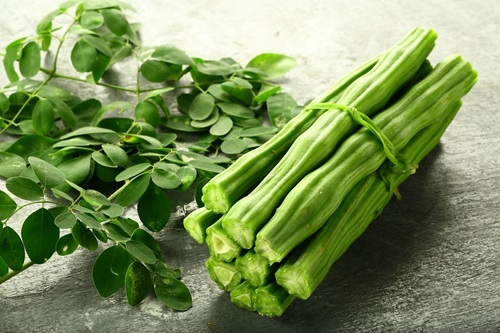
Moringa (Moringa oleifera) has quickly become a standout crop across Nepal’s Terai lowlands and mid-hill regions. It is locally referred to as Sahijan, Sajina, Shitalchini or drumstick. It’s hardy nature makes it suitable for cultivation in warm climates, resists dry spells, and packs an exceptional nutritional and economic punch for local farmers and home growers. Moringa often called as “miracle tree” due to its high medicinal and nutritional value.
Local names: Nepal (Shitalchini, Sajina, Sahijan, Moringa, Drumstick),
Plant Characteristics
Originating near the Himalayan foothills, Moringa (Shitalchini) is a fast-growing, deciduous tree that reaches up to 10 meters within just a few years. It is considered as wild vegetable in some hilly areas of Nepal.
Flowers & Fruit: Fragrant cream-white blossoms yielding long, slender pods containing oil-rich seeds.
Roots: Deep taproots that allow the tree to survive long dry spells.
Key Applications & Benefits
Everyday Nutrition: Moringa leaves act as a natural daily multivitamin, making them a powerful tool against micronutrient deficiencies. It has high dry-weight protein content (up to 35%), rivaling standard legumes and is packed with Vitamin C, beta-carotene, iron, calcium, and potassium. It is also rich in plant antioxidants like quercetin and chlorogenic acid.
Wellness & Traditional Support: Long integrated into Ayurvedic practices, modern research indicates that regular leaf powder intake (typically 6–10 grams daily) supports overall health which supports to maintain healthy blood sugar and fasting glucose levels, supports blood pressure and cholesterol management and offers natural anti-inflammatory and oxidative stress protection.
Health benefits: Helps stabilize fasting blood glucose, supports mild reductions in systolic/diastolic pressure, promotes healthier lipid and triglyceride balance, Boosts iron absorption and markers of immune response.
Cultivation Guide
Moringa grows best in warm regions below 1,200 meters altitude, especially inner terai and mid-hill districts.
Climate & Soil: Thrives in full sun and well-drained sandy or loamy soils (pH 6.0–7.5). Avoid waterlogged plots.
Planting: Sow seeds or transplant saplings in early spring (March–April) or right before the monsoon (June–July). Soak seeds overnight to speed up germination.
Spacing: Space trees 2–3 meters apart for pod production, or plant closer (1 meter) if growing strictly for leaf harvesting.
Ater Care: Water weekly for the first couple of months; mature trees rarely need supplemental watering. Apply well-composted manure at planting.
By integrating moringa into local diets and agroforestry systems, growers gain a resilient, low-cost crop that builds both health and climate resilience across Nepal.
Harvesting & Processing
Leaves: Prune soft branch tips starting 2–3 months after planting; harvest every few weeks. Shade-dry the leaves and grind them to store as powder.
Pods: Pick pods while they are tender and green (roughly 6 months in) for curries and soups.
Safety notes:
While moringa leaves are safe for general consumption, keep a few points in mind:
- Avoid consuming root or bark extracts during pregnancy.
- If you take medication for diabetes or hypertension, consult your doctor, as moringa can naturally enhance blood-sugar-lowering effects.
Detailed cultivation guide: How to Grow Moringa | Step-by-Step Home Gardening Guide
More indigenous Nepalese plants: Wild Vegetables of Nepal (Non-domesticated) – Think Like A Plant