
Introduction
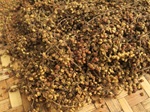
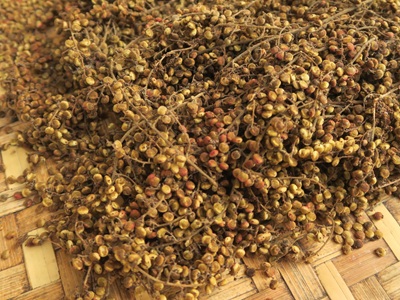
Bhakimlo (Rhus chinensis, Rhus javanica) is a highly cherished wild fruit plant native to the Himalayan region of Nepal. It is called as “Bhakimlo” (भकिम्लो) in local Nepali language and is famous for its sour, edible fruits. This wild fruit has been used for thousands of years in Asian folk medicine, treating ailments from diarrhea to diabetes. Bhakimlo plays a crucial ecological role in Himalayan forests, considered as true natural treasure.
Plant Description
Bhakimlo is a small tree shrub reaching up to 10 meters tall. It has aromatic, imparipinnate leaves with 1–13 oblong or ovate leaflets. The plant produces white or yellowish-green flowers in large panicles. It thrives in temperate regions at elevations of 900-2500 meters, growing on dry forest slopes. Bhakimlo is distributed across the East and West Himalayas, including Nepal, Bhutan, India (Darjeeling, Kalimpong), China, Japan, and Thailand.
Uses & Importance
- It has edible sour fruit used as food, good source of tannins and dye.
- It can treat diarrhea, dysentery, colic pain, hemorrhage, diabetes, mellitus, inflammation oral diseases, and sepsis. The ripe fruit is sour and specifically remedies colic pain. Its astringent and styptic qualities treat diarrhea and hemorrhage internally. Externally, galls are applied as washes or powders for burns, bleeding injuries, hemorrhoids, and mouth ulcers. The stem bark is astringent and anthelmintic, while the seed treats coughs, dysentery, fever, and rheumatism
- Antioxidant, antibacterial, and antidiabetic properties; used polyherbal medications for diabetes
Bhakimlo is more than just a wild fruit of hills. It is a centuries-old medicinal powerhouse that continues to support indigenous communities.