
Introduction
Nepal is a mountainous country rich in biodiversity, with a wide variety of fruits, vegetables, flowers, and medicinal plants. More than 40% of the country’s land area is covered by forests, providing a natural habitat for numerous wild, indigenous, native and underutilized fruit species. Due to difficult terrain and limited accessibility in many regions, these wild fruits are highly nutritious and possess significant medicinal properties. They have long been used in traditional healing systems, including natural therapies and Ayurvedic medicine, highlighting their importance for both health and sustainable livelihoods.
List of local wild fruits of Nepal
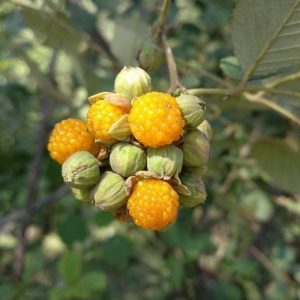
1. Ainselu (ऐंसेलु )
Common Name: Golden Himalayan Raspberry
Scientific Name: Rubus ellipticus
Family: Rosaceae
Local Name: Ainselu / Aiselu
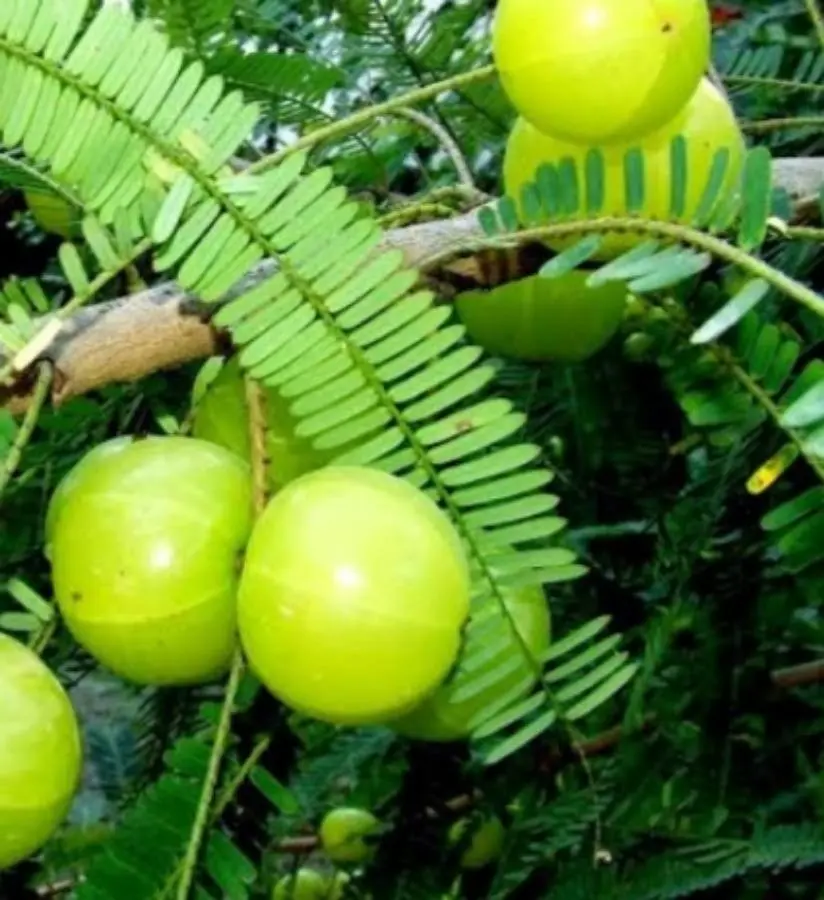
2. Amala (अमला)
Common Name: Gooseberry
Scientific Name: Phyllanthus emblica
Family: Phyllanthaceae
Local Name: Amala
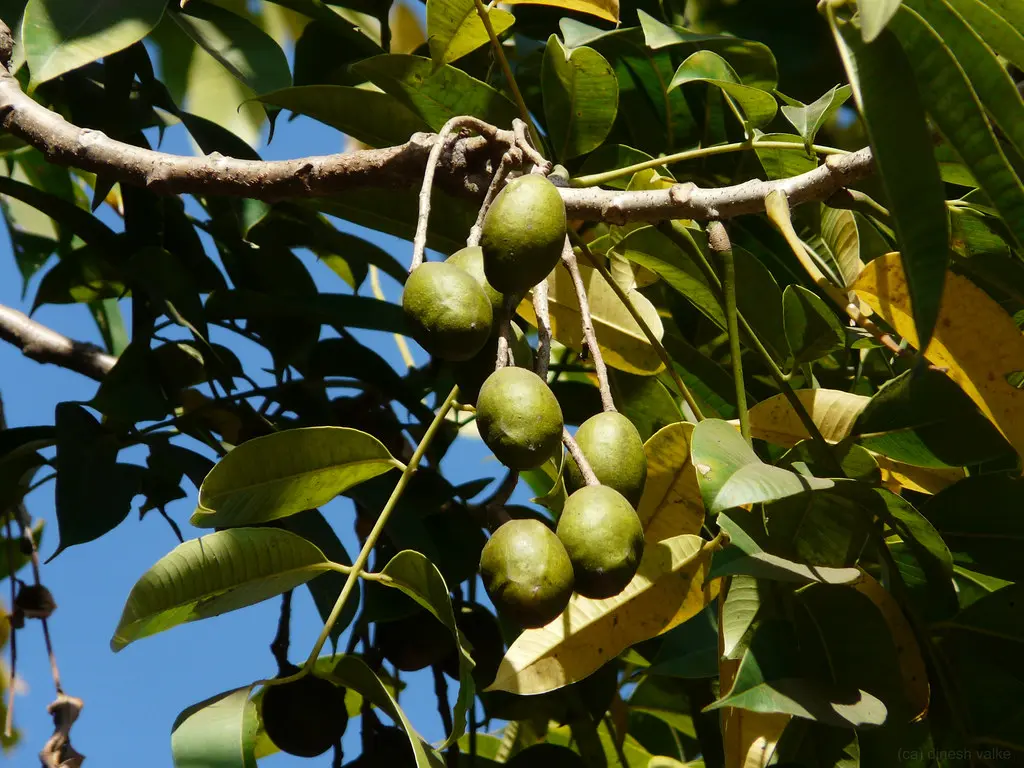
3. Amaro (अमारो)
Common Name: Common Hug Plum
Scientific Name: Spondias pinnata
Family: Anacardiaceae
Local Name: Amaro
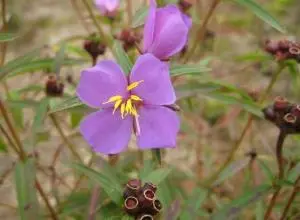
4. Angeri (अंगेरी)
Common Name: Nepal Pink Osbeckia
Scientific Name: Osbeckia nepalensis
Family: Melanstomataceae
Local Name: Angeri / Kali Angeri
5. Barro (बर्रो)
Common Name: Belleric Myrobalan
Scientific Name: Terminalia bellirica
Family: Combretaceae
Local Name: Barro
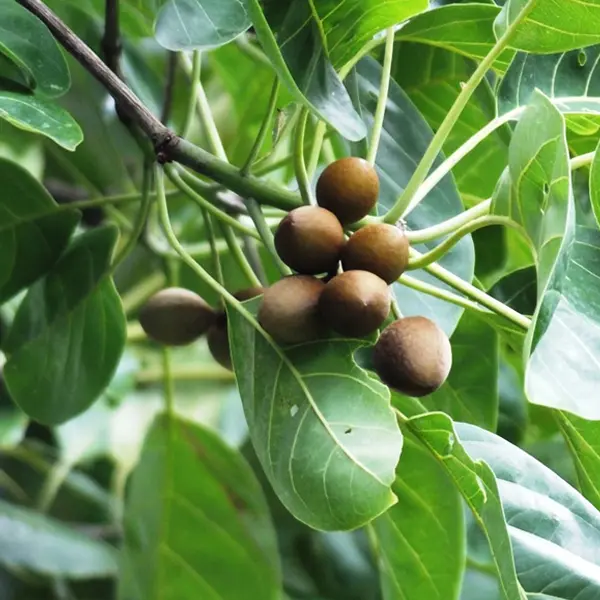
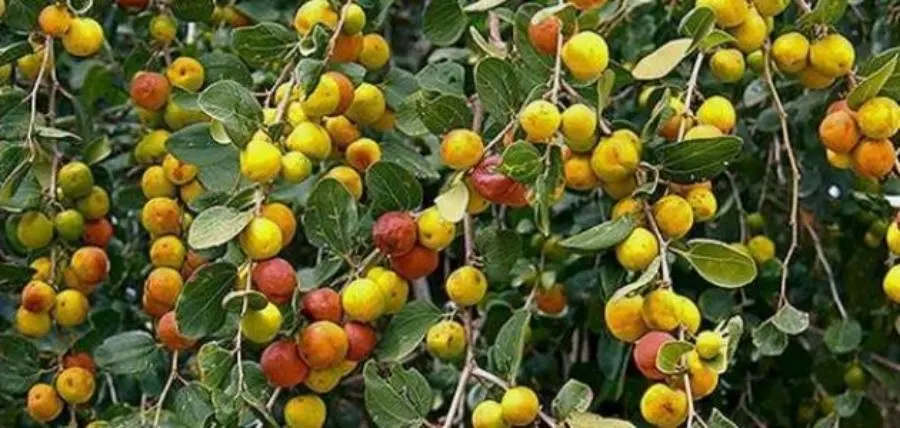
6. Bayer (बयेर)
Common Name: Chinese Jujube / Chinese Date
Scientific Name: Ziziphus jujuba
Family: Rhamnaceae
Local Name: Bayar / Bayer / Bager
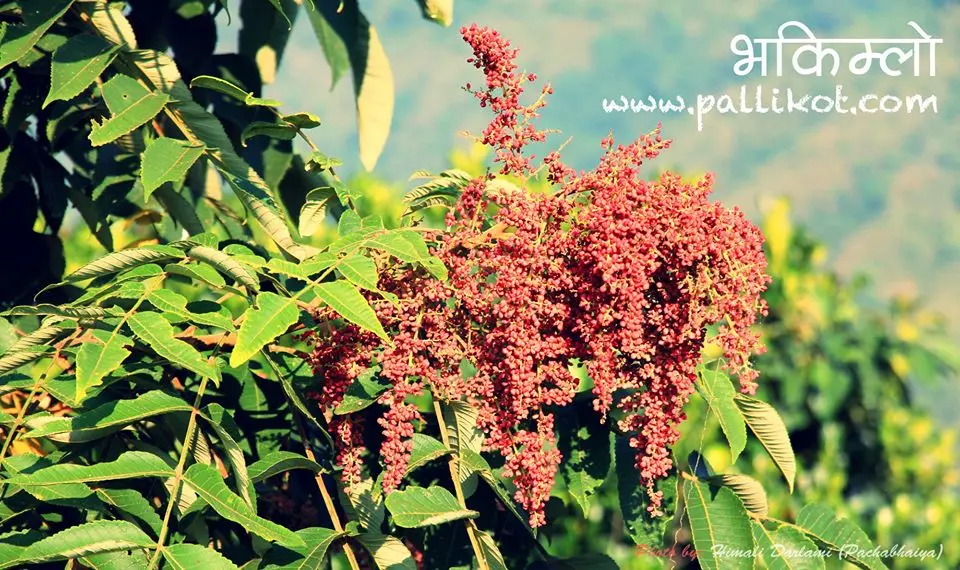
7. Bhakimlo (भकिम्लो)
Common Name: Chinese Sumac / Nutgall Tree
Scientific Name: Rhus javanica, Rhus chinensis,
Family: Anacardiaceae
Local Name: Bhakimlo
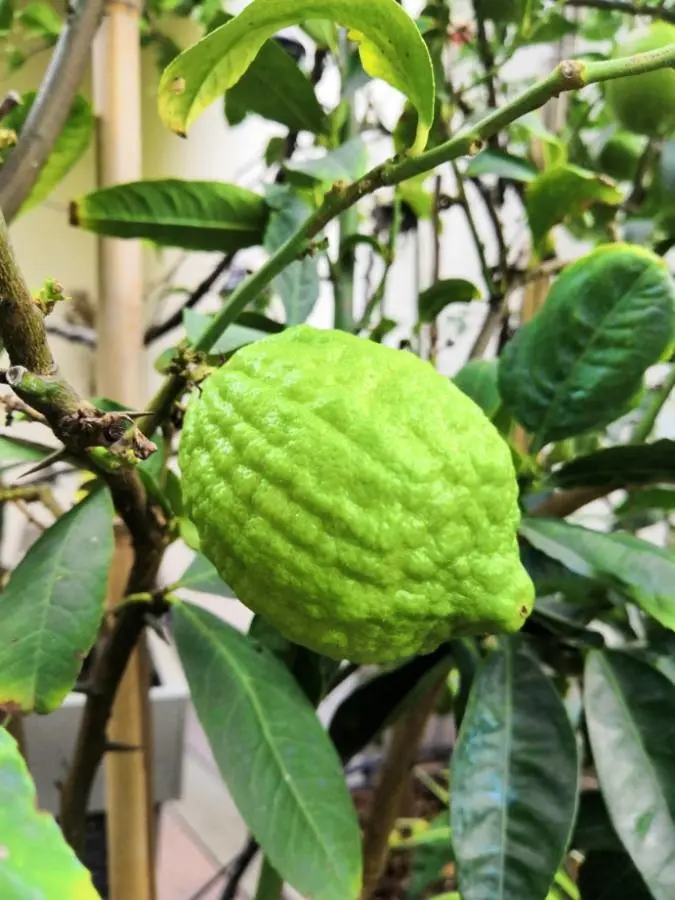
8. Bimiro (बिमिरो)
Common Name: Citron
Scientific Name: Citrus medica
Family: Rutaceae
Local Name: Bimiro / Bibiro
9. Chiuri (चिउरी)
Common Name: Butter Tree
Scientific Name: Diploknema butyracea
Family: Sapotaceae
Local Name: Chiuri, Chyuri
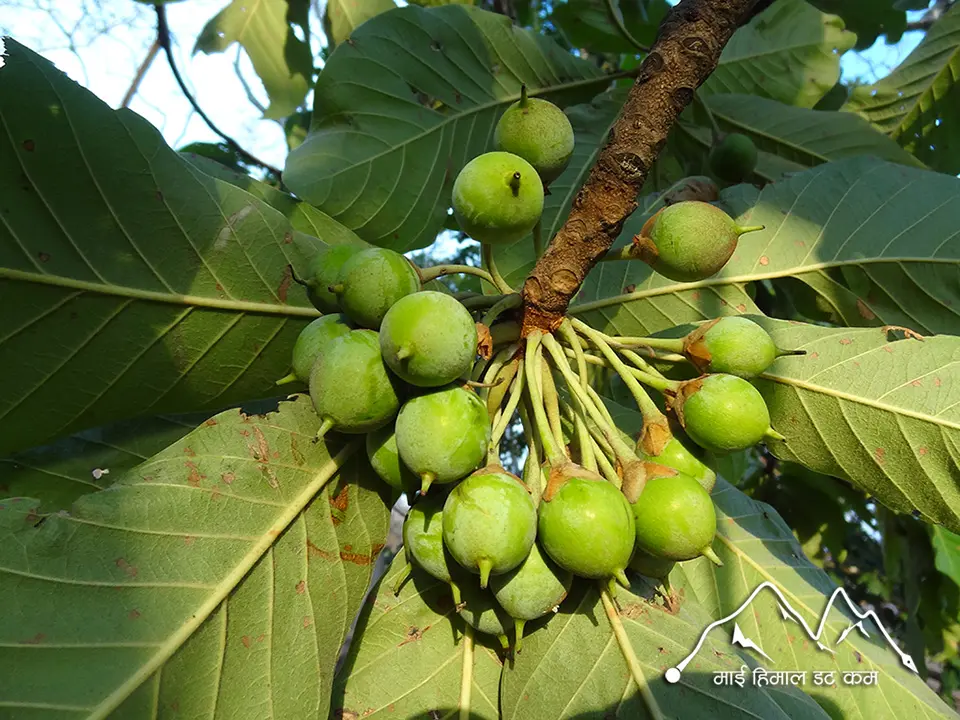
10. Chutro (चुत्रो)
Common Name: Himalayan Barberry
Scientific Name: Berberis aristata
Family: Berberidaceae
Local Name: Chutro, Kirmuda (far-west Nepal), Chautari (Gulmi/Arghakhanchi)
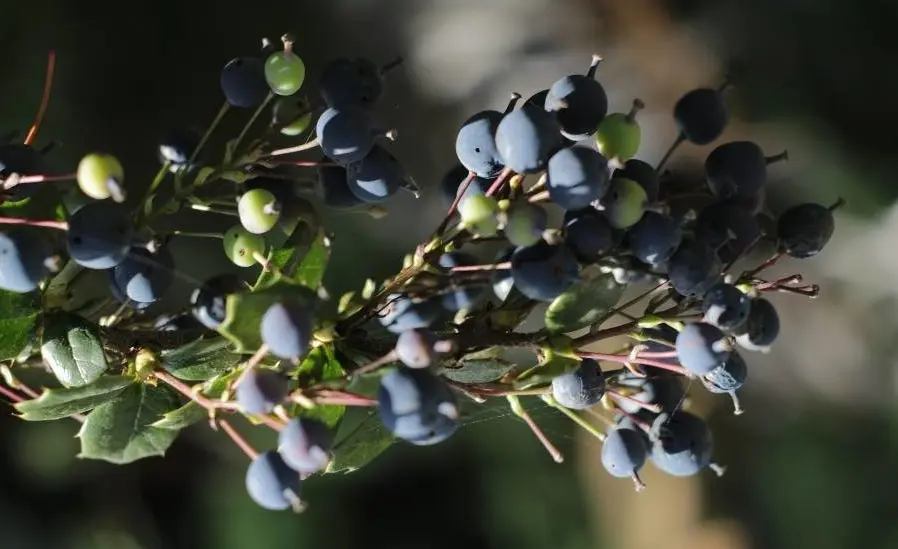
11. Harro (हर्रो)
Common Name: Myrobalan
Scientific Name: Terminalia chebula
Family: Combretaceae
Local Name: Harro / Harra
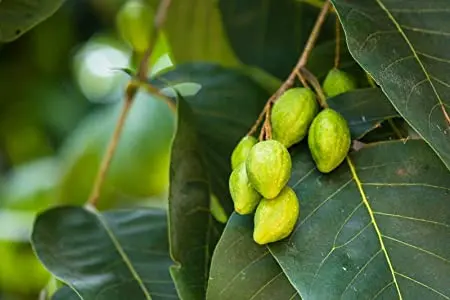
12. Imli (इमली)
Common Name: Tamarind
Scientific Name: Tamarindus indica
Family: Leguminosae
Local Name: Imli / Emli
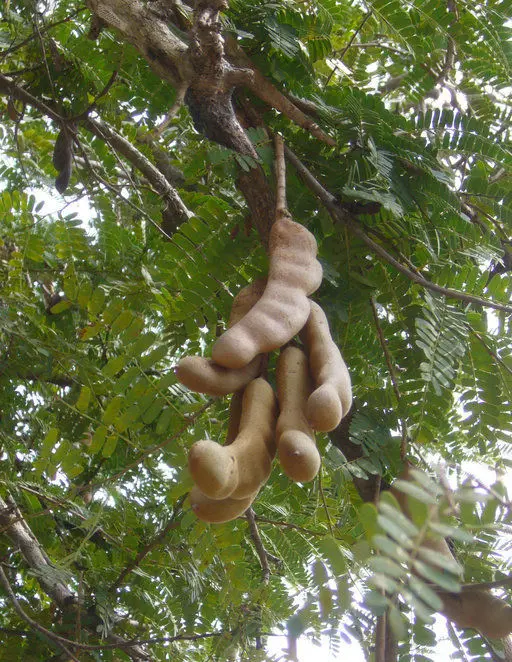
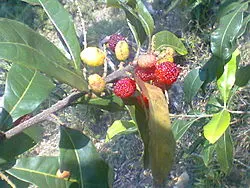
13. Kafal (काफल)
Common Name: Bayberry
Scientific Name: Myrica esculenta
Family: Myricaceae
Local Name: Kafal / Kaphal / Hade kafal / Ban Kafal
14. Katus (कटुस)
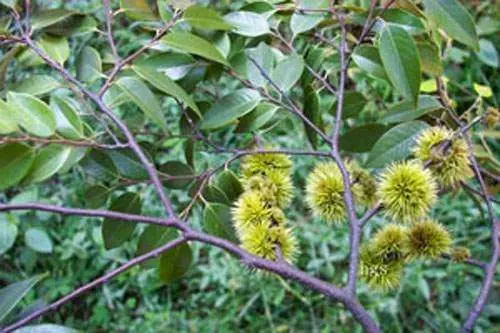
Common Name: Chestnut
Scientific Name: Castanopsis hystrix
Family: Fagaceae
Local Name: Katus
15. Khaneu/Khanim (खनीउ, खनियो)
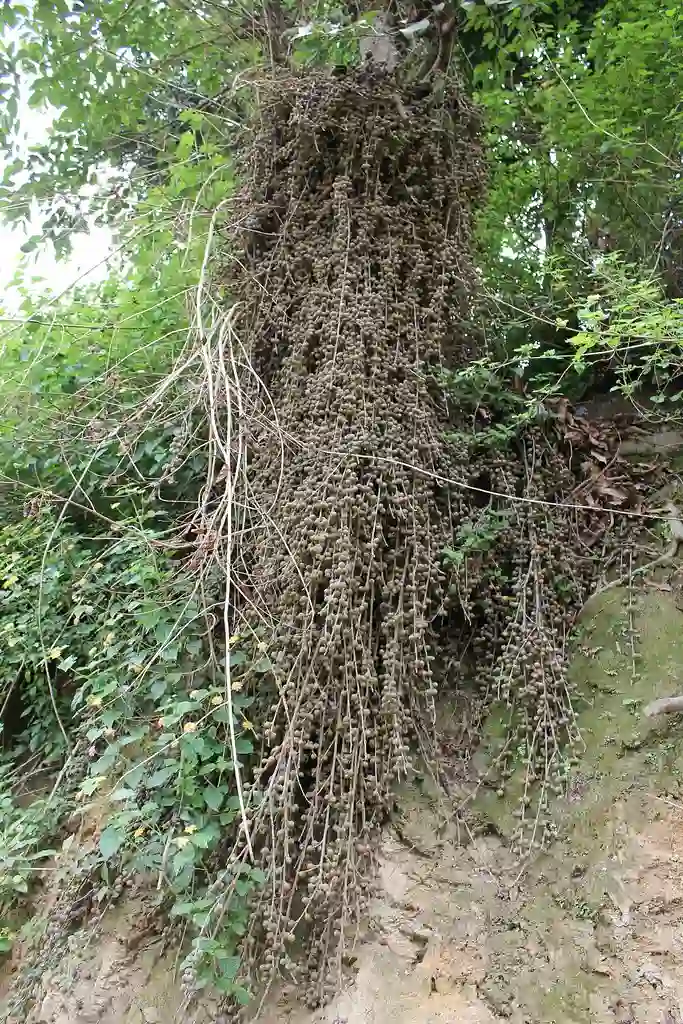
Common Name: Dropping Fig
Scientific Name: Ficus semicordata
Family: Moraceae
Local Name: Khaniu, Khanio
16. Khurpani (खुर्पानी)
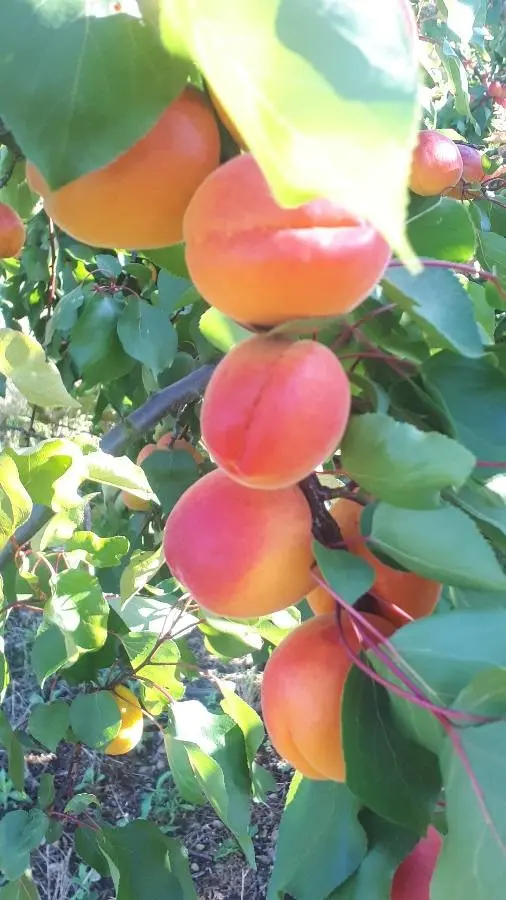
Common Name: Apricot
Scientific Name: Prunus armeniaca
Family: Rosaceae
Local Name: Khurpani
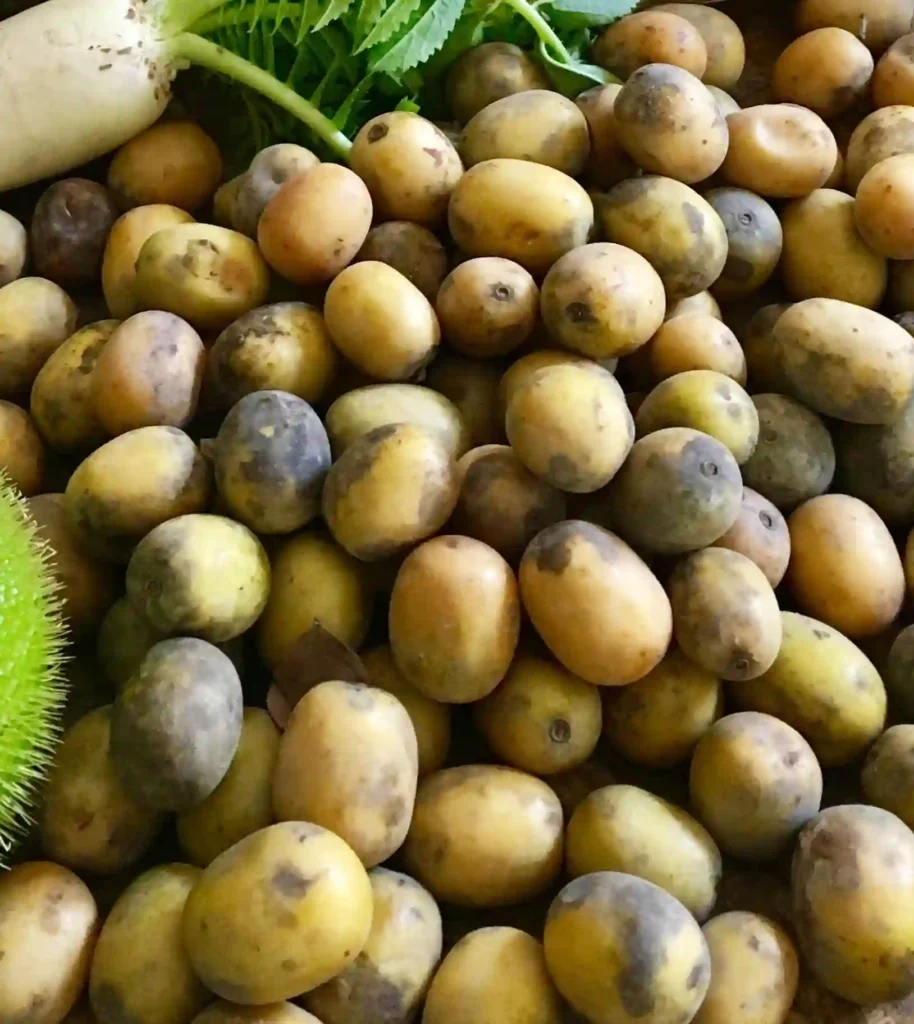
17. Lapsi (लप्सी)
Common Name: Nepalese Hug Plum / Himalayan Hog Plum
Scientific Name: Choerospondias
axillaris
Family: Anacardiaceae
Local Name: Lapsi
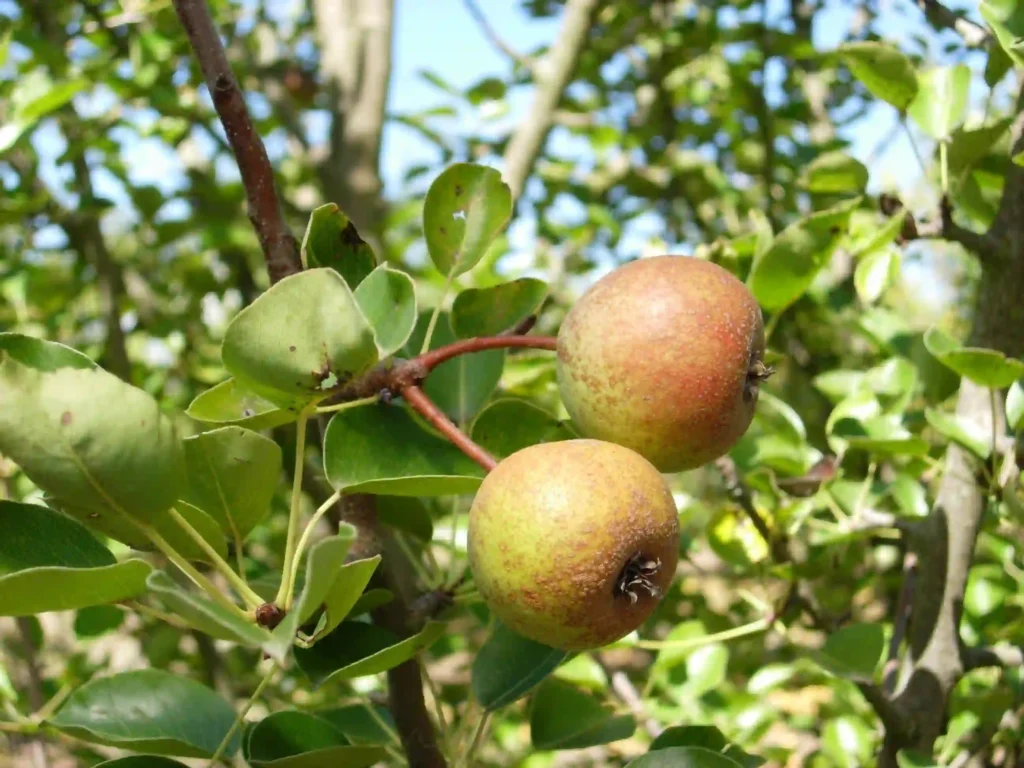
18. Mayal (मेल)
Common Name: Wild Pear
Scientific Name: Pyrus pashia
Family: Rosaceae
Local Name: Mel / Mayal / Passi
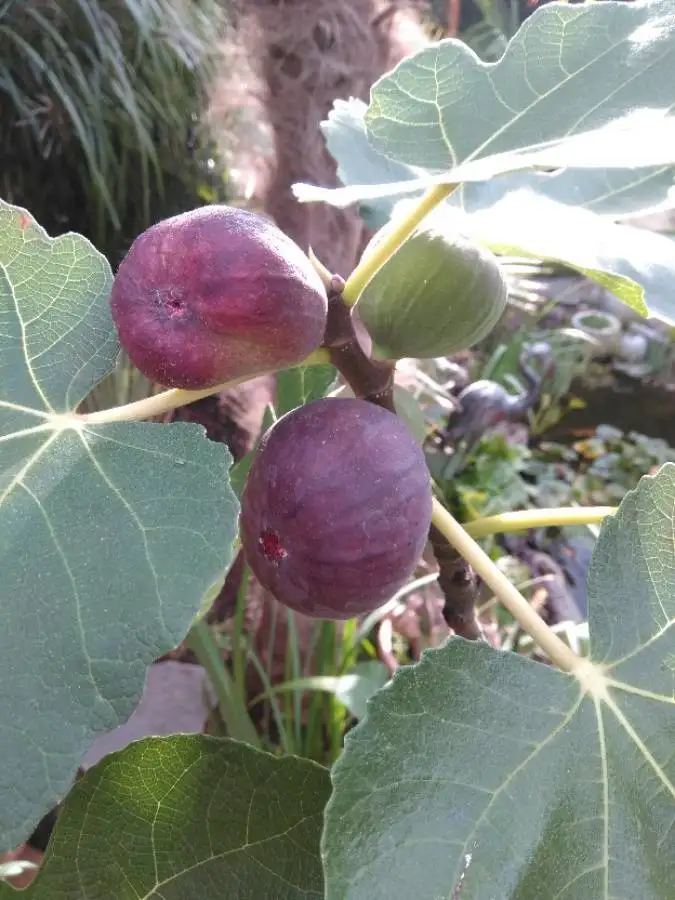
19. Nivaro (निभारो)
Common Name: Common Fig
Scientific Name: Ficus carica
Family: Moraceae
Local Name: Nivaro, Nimaro
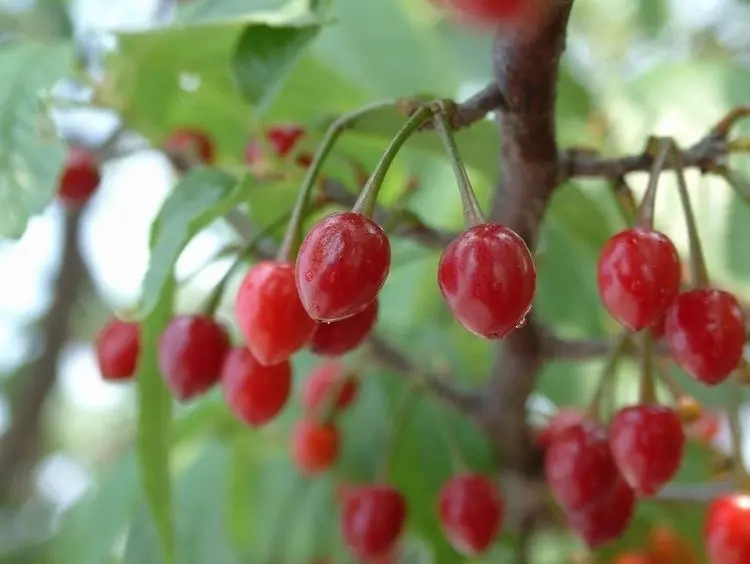
20. Paiyun (पैयुं)
Common Name:Wild Himalayan Cherry
Scientific Name: Prunus cerasoides
Family: Rosaceae
Local Name: Paniyun
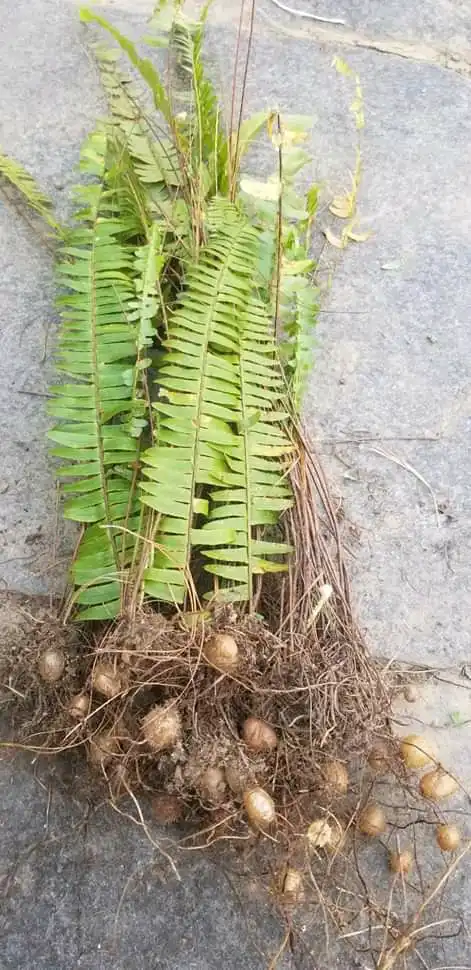
21. Pani Amala (पानी अमला)
Common Name: Himalayan Ground Gooseberry
Scientific Name: Nephrolepis tuberosa
Family: Nephrolepidaceae
Local Name: Pani Amala, Bhuin Amala
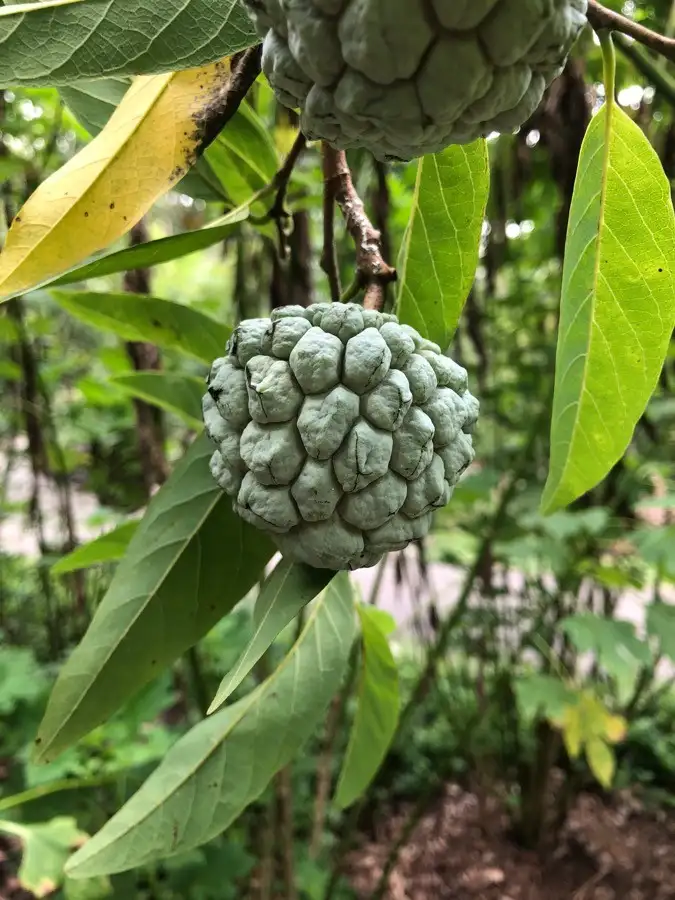
22. Sarifa (सरिफा)
Common Name: Custard Apple
Scientific Name: Annona
squamosal
Family: Annonaceae
Local Name: Sarifa / Sitaphal
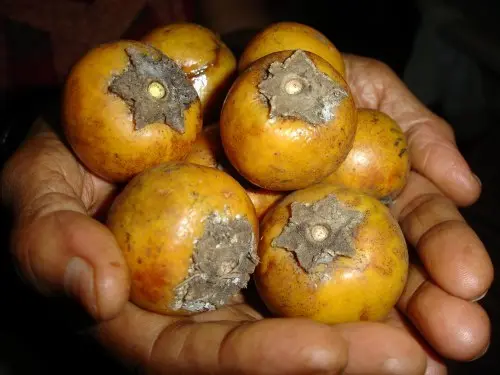
23. Teju (तिजु)
Common Name: Wild Persimmon
Scientific Name: Diospyros malabarica
Family: Ebenaceae
Local Name: Tiju, Teju, Tedu
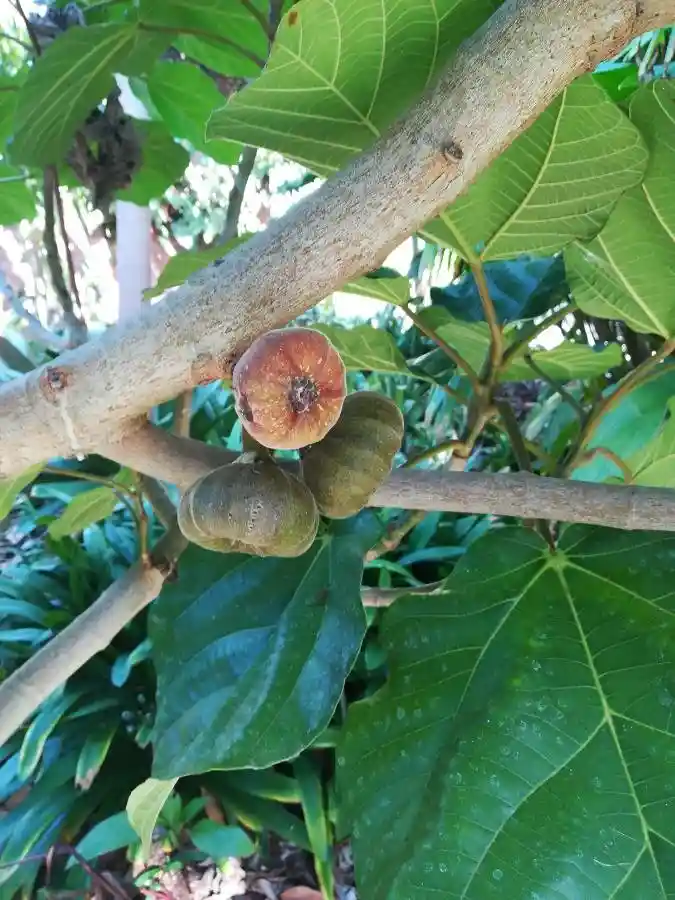
24. Timilo (टिमिलो)
Common Name: Roxburgh Fig
Scientific Name: Ficus auriculata
Family: Moraceae
Local Name: Ban timilo
Nutritional and medicinal benefits of wild fruits
Wild fruits of Nepal are rich sources of essential nutrients such as vitamins (especially vitamin C and A), minerals, dietary fiber, and natural antioxidants. Fruits like Himalayan bayberry, kafal, lapsi, and wild raspberry are known to boost immunity, improve digestion, and support overall metabolic health. Many wild fruits also contain bioactive compounds such as flavonoids and phenolics that exhibit strong antioxidant, anti-inflammatory, and antimicrobial properties. Traditionally, these fruits have been used in indigenous medicine systems to treat ailments such as fever, diarrhea, respiratory infections, and skin disorders, making them both nutritionally and therapeutically valuable for local communities.
Conservation strategies
Conservation of wild fruit species in Nepal can be achieved through both in-situ and ex-situ approaches. In-situ conservation involves protecting natural habitats such as forests, community lands, and protected areas where these species naturally grow, along with sustainable harvesting practices by local communities. Ex-situ methods include seed banks, field gene banks, botanical gardens, and tissue culture techniques to preserve genetic diversity outside their natural habitats. Additionally, raising public awareness, promoting community-based forest management, and encouraging the domestication and cultivation of selected wild fruit species in agroforestry systems are important strategies to reduce pressure on natural populations and ensure long-term sustainability.
Conclusion
Wild fruits of Nepal play a vital role in enhancing nutrition, supporting traditional healthcare systems, and maintaining ecological balance. However, increasing environmental degradation and overharvesting threaten their survival. Therefore, integrated conservation efforts combining traditional knowledge with modern techniques are essential to protect these valuable plant resources. Promoting their sustainable use can also contribute to rural livelihoods and biodiversity conservation in Nepal.
Image sources:
- PlantNet: Ainselu, Amala, Bayer, Bimiro, Chutro, Emli, Khurpani, Nivaro, Sarifa, Timilo.
- Flickr: Amaro
- img.everychina.com: Angeri
- dhamma-ayurveda: Barro
- pallikot VDC facebook page: Bhakimlo
- myhimal.com: Chiuri
- amazon: Harro
- wikipedia: Mayal, Kafal
- cnseed.org: Katus
- pinterest: Lapsi
- alchetron.com: Paiyun
- tunza.eco-generation.org: Pani Amala
- naturalmedicinefacts.info: Tiju
Is teju really Diospyros melanoxylon? The fruit of this species is yellow, but Teju has green colored fruit. The leaves also donot resemble. Bark is also different. I found this difference when I crosschecked real teju plant with internet images. In Book ‘Non Timber Forest Products of Nepal’ by Prof. Ishwar Chandra Dutta, the scientific name of teju was Picrasma javanica Blume. The pictures of Picrasma javanica blume also do not resemble completely with teju. This has led me to a confusion.
I have mentioned it after cross checking with various plant identifying apps, websites. I remember teju from my childhood memories. May be the varieties/cultivar is different here or more wild type.
Beautiful! I’m so hungry for figs and berries now because of your photos…
😀😀
Here in the Philippines Angeri is a weed. What is it used for in Nepal?
As wild fruit. Edible. Good taste while ripe. Bring back childhood memories for me.
Shankar, what a treasure trove of fruits! I am thinking that some of these may have medicinal properties!
Not some, most of them have medicinal values, raw or processed.
Wow very impressive thank you so much i was looking for this names since a long
Welcome ????