
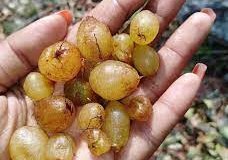
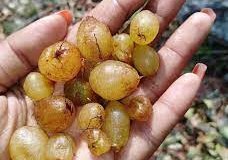
Common Name: Himalayan Ground Gooseberry
Scientific Name: Nephrolepis tuberosa
Family: Nephrolepidaceae
Local Name: Pani Amala, Bhuin Amala
Nephrolepis tuberosa, locally called pani amala in Nepal, is a tuber-bearing fern known for its edible underground parts and its importance as a wild forest resource. It is mostly gathered from natural habitats and has long been recognized in local foraging and traditional knowledge.
Plant Description
This plant is a perennial fern with long, divided fronds and creeping rhizomes. Its most distinctive feature is the formation of small fleshy tubers on the underground or creeping stems, which store food and help the plant survive unfavorable conditions.
It is Nephrolepis tuberosa is found in tropical and subtropical regions and is common in Nepal’s moist, shaded forests, forest edges, and hill areas. It grows well in humid places with partial shade and is often seen forming patches in suitable habitats.
Uses and importance
The tubers are the main edible part and are collected by local people as a wild food. They are valued as a seasonal forest resource, especially in rural areas, and contribute to food diversity and local ethnobotanical knowledge.
Medicinal value: The plant is sometimes mentioned in folk medicine, but its medicinal properties are not well studied scientifically. Some traditional users consider it refreshing or beneficial, but more research is needed to confirm any health effects.
Other importance: Besides food and folk use, the plant is ecologically important because it helps maintain ground cover in forest understories. It also has value for biodiversity conservation, indigenous knowledge, and possible future study as an underutilized wild edible plant.